Importance of Pilgrimages for a Catholic Youth
As young Catholics living in a rapidly changing world, it is essential to understand the profound significance of pilgrimage in our faith journey. Pilgrimages are not merely travels to historical or religious places; they are spiritual journeys that deepen our connection with God, our faith, and the wider community of believers.
This page will allow you to explore why these pilgrimages are vital, focusing on their roots in the Church’s teachings, the biblical call for pilgrimage, and how they align with the current synodal journey, with an emphasis on engaging young Catholics.
Rediscover the Sacredness

Pilgrimage in the Scriptures
Cultural and Spiritual Heritage
EXPERIENCING THE SACREDNESS OF THE PLACE
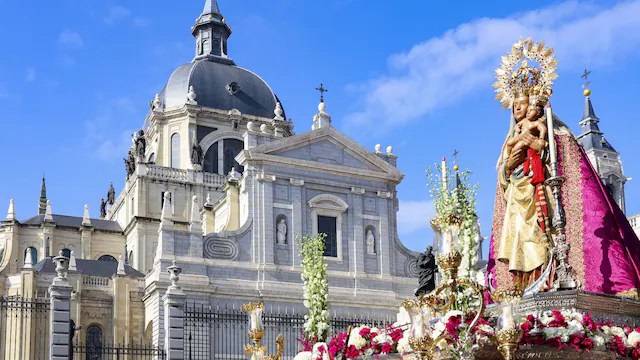
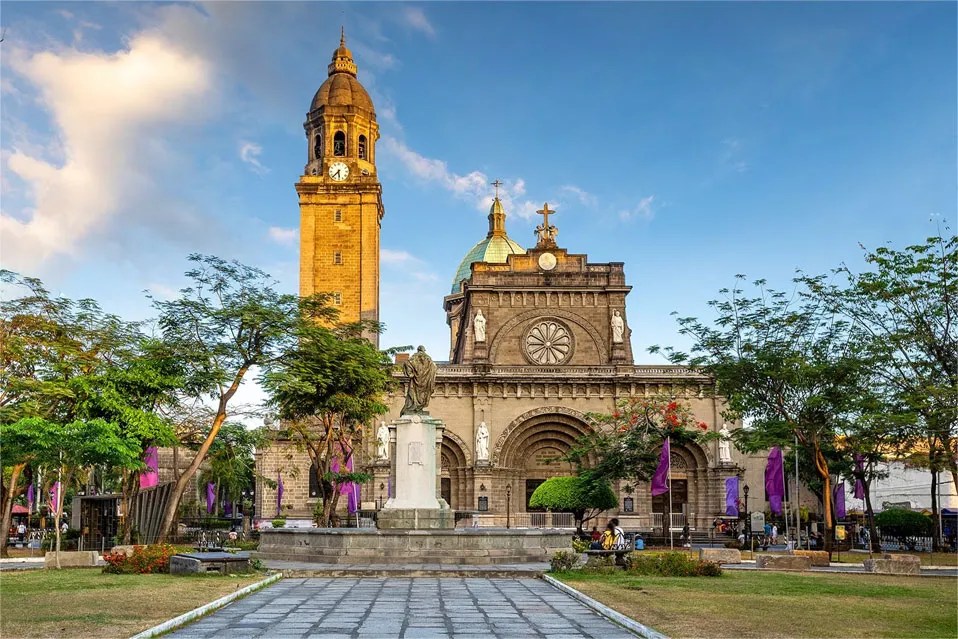
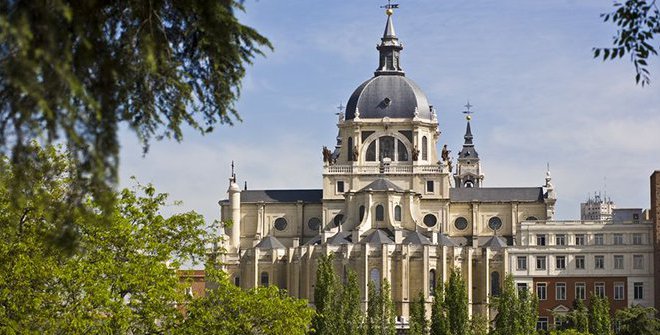
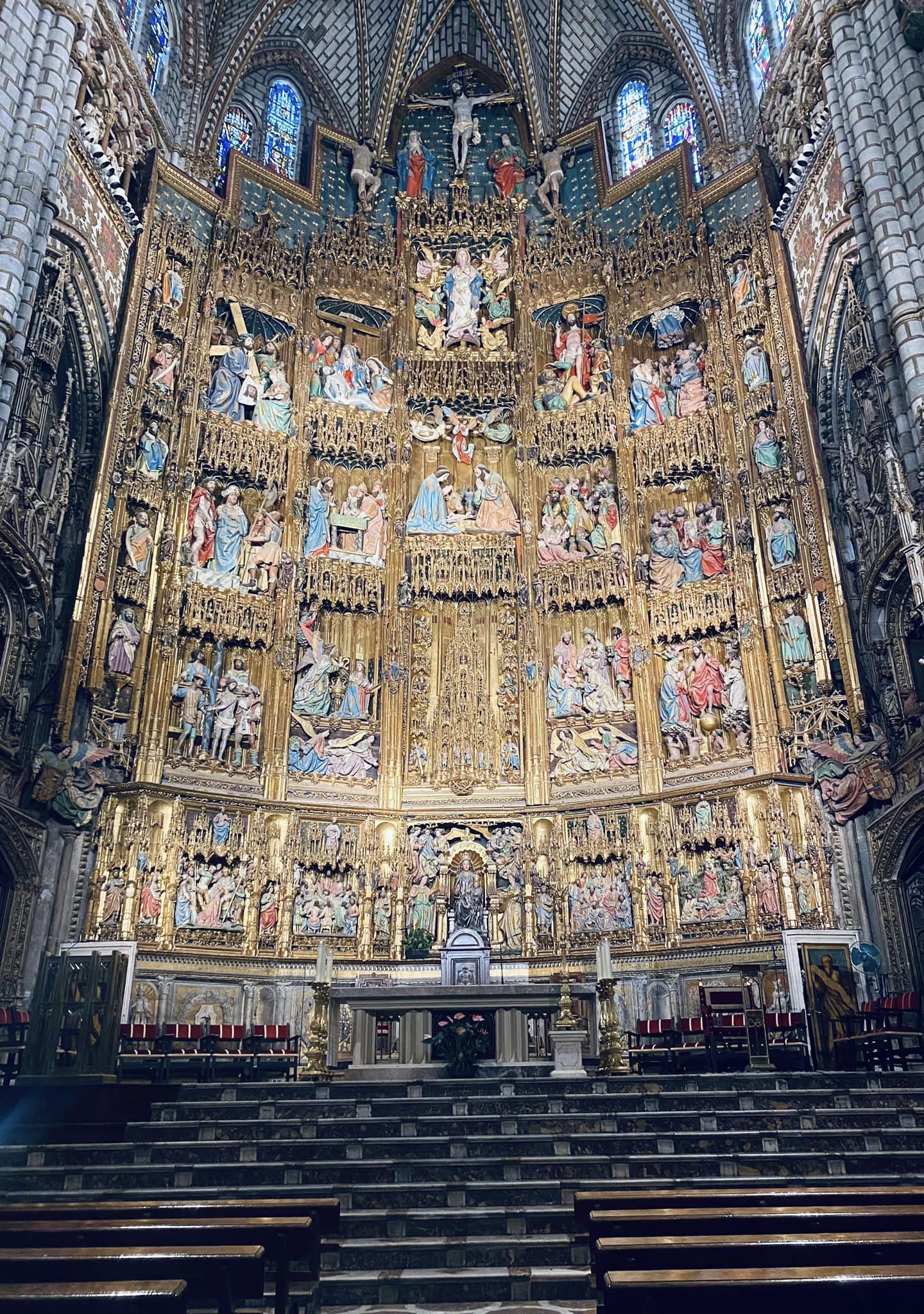
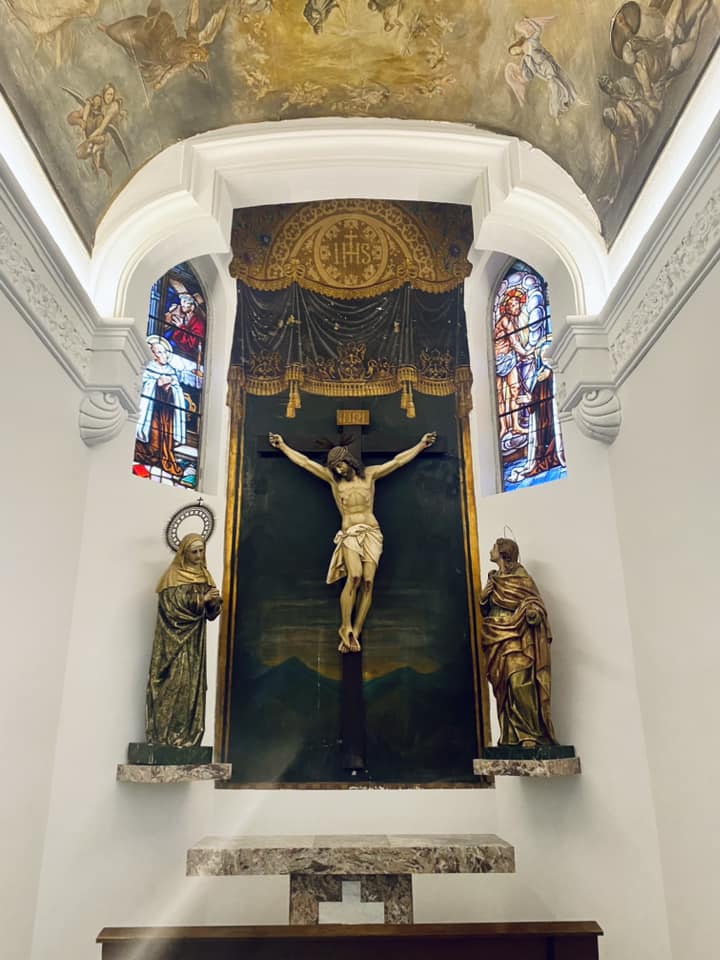
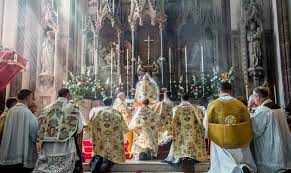
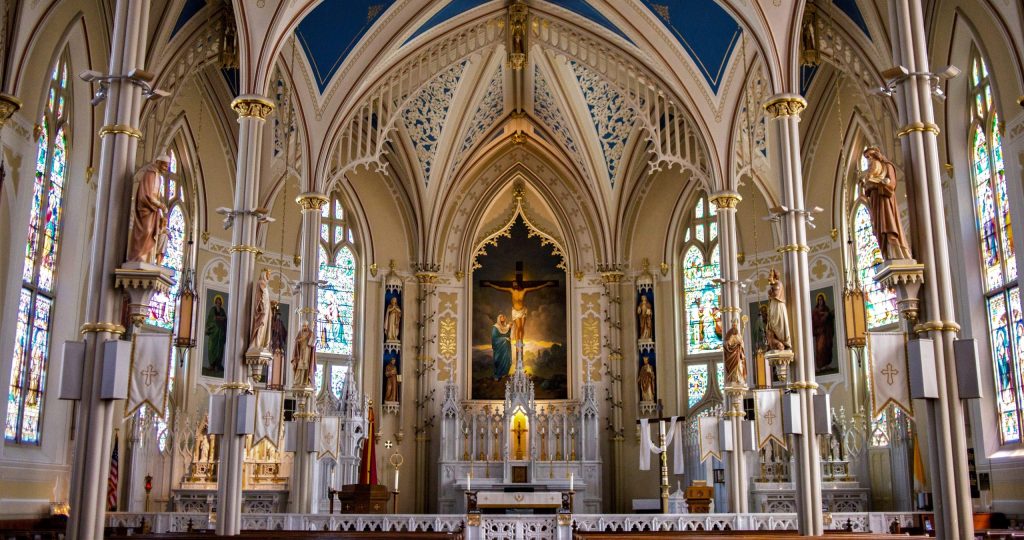
The Catholic Church’s liturgical norms emphasize the sanctity of space and the importance of physical locations in the worship of God. Churches are not just buildings; they are consecrated spaces where the mysteries of the faith are celebrated through the sacraments, particularly the Eucharist. The General Instruction of the Roman Missal (GIRM) reminds us that churches are “sacred buildings destined for divine worship.” When we visit these spaces, especially historic or significant churches in the Philippines and Spain, we are reminded that these are places where the divine meets the human.
Pilgrimages to churches, such as the Minor Basilica of the Black Nazarene in the Philippines or the grand Cathedral of Santiago de Compostela in Spain, immerse us in the history of our faith. These places are where generations of Catholics have gathered to worship, seek penance, and encounter Christ in the sacraments. By engaging in this sacred tradition, we as young Catholics experience the liturgy in its fullness, deepening our appreciation for the sacramental life of the Church.
Scriptural Mandate
The concept of pilgrimage is deeply rooted in the Bible. From the journey of Abraham, who followed God’s call to the Promised Land (Genesis 12:1-9), to the pilgrimage festivals of the Jewish people, Scripture is filled with examples of faithful journeys. One of the most significant pilgrimages in Scripture is that of the Holy Family traveling to Jerusalem for the Passover (Luke 2:41-52), which reminds us that Jesus Himself participated in this ancient tradition of journeying to sacred places.
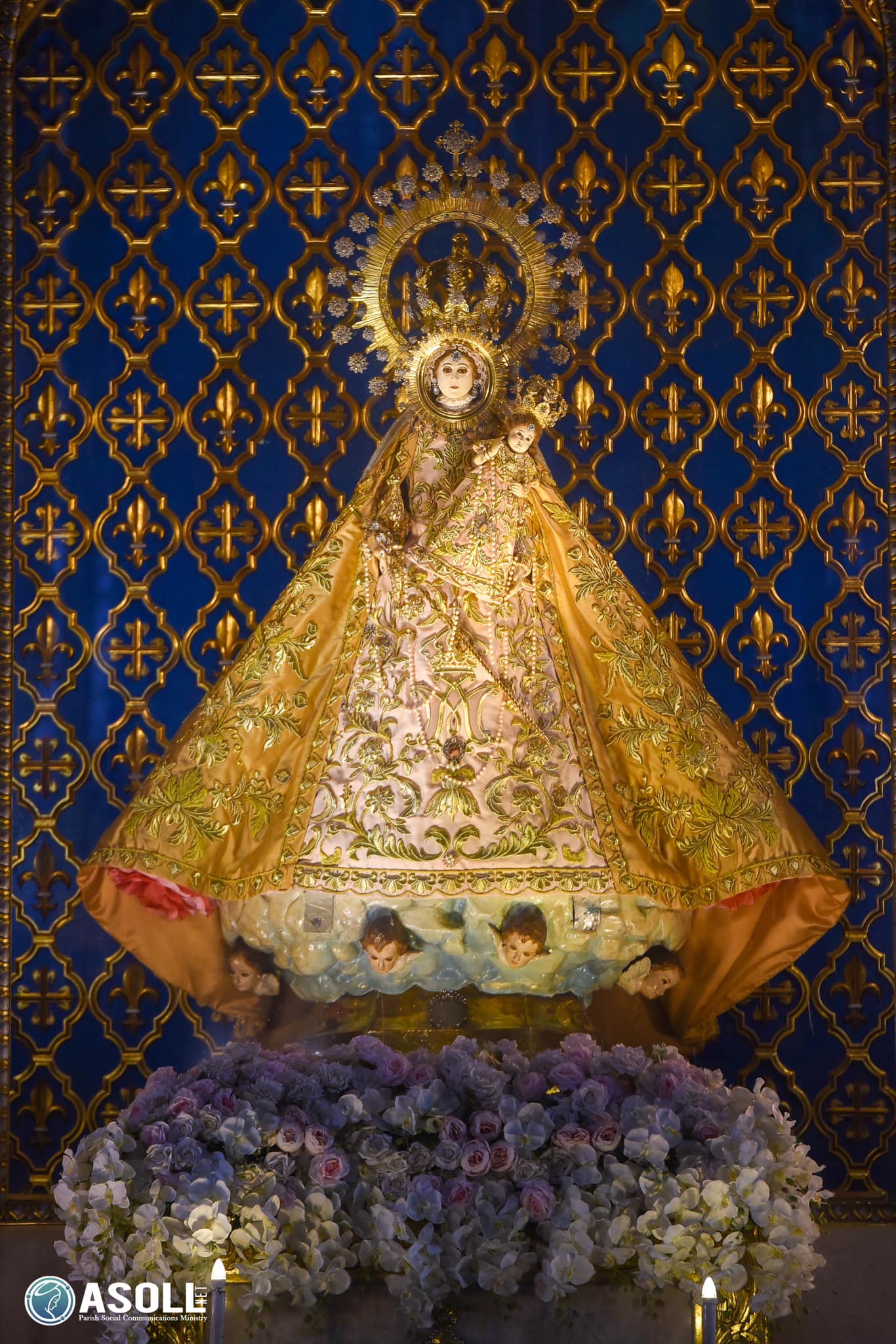
For young Catholics, following in the footsteps of these biblical pilgrims provides an opportunity to encounter God in a deeper way. As we walk the paths of saints and sinners alike, we reflect on our own spiritual journeys. Visiting sites like the Shrine of Our Lady of Penafrancia in the Philippines or the majestic Sagrada Familia in Spain becomes not just a physical journey but also a spiritual act of faith. By emulating the biblical call to pilgrimage, we remind ourselves that our life is a continuous journey toward God.
Walking Together as a Pilgrim People
ope Francis has called the Church to embrace a synodal path—a journey of walking together as a community of faith. This synodal process calls us to listen to one another, to engage with the challenges and hopes of the Church, and to seek the guidance of the Holy Spirit as we journey together. Pilgrimage reflects this same spirit of synodality, as it is not a solitary act but a communal one.
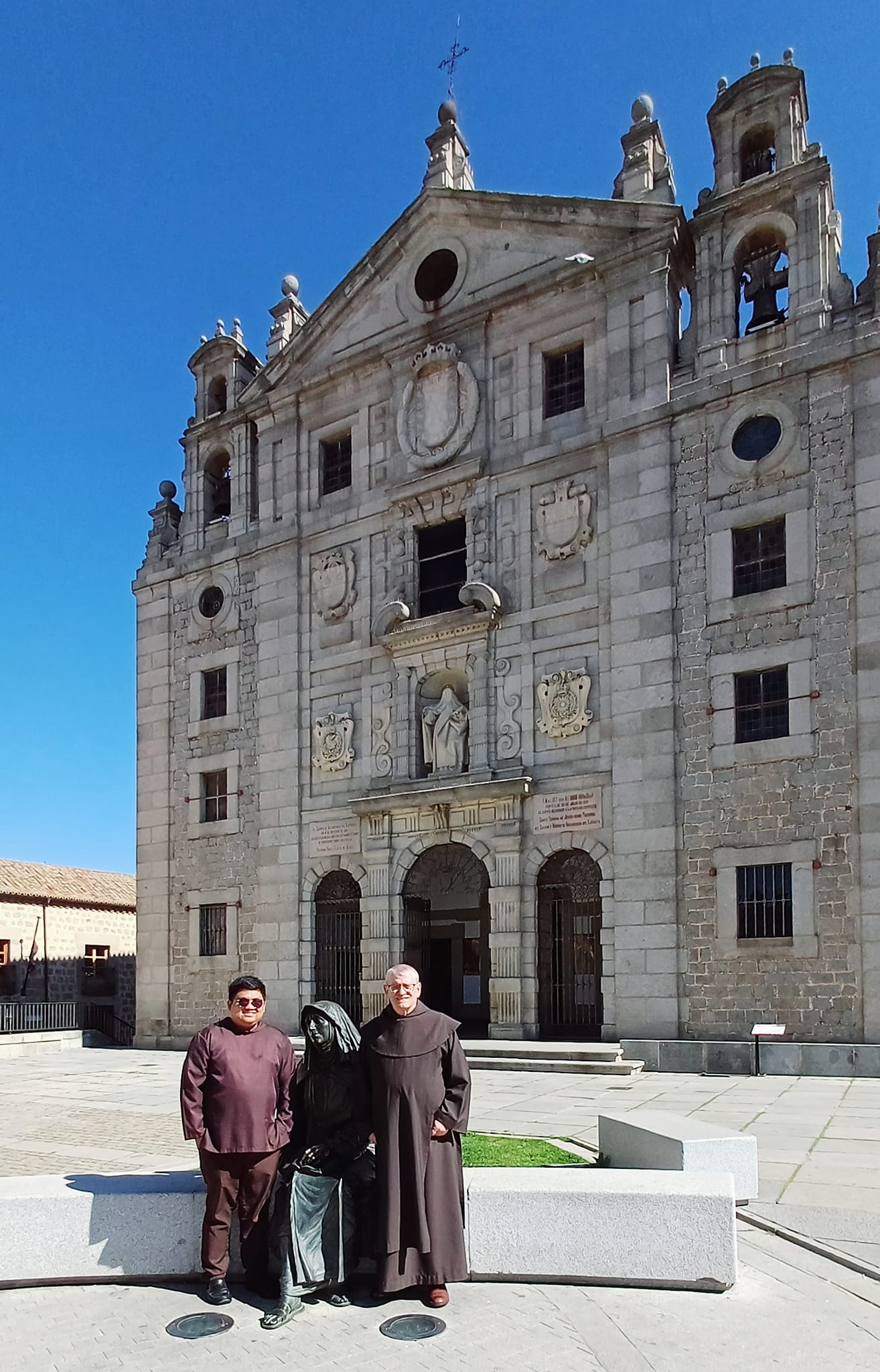
When we undertake pilgrimages as young Catholics, we are not only walking individually toward God but also as part of the larger Church. Whether we are visiting the historic Baroque churches of Manila or journeying along the Camino de Santiago, we do so as part of a pilgrim people. The physical act of walking together with fellow Catholics, sharing in prayer and reflection, mirrors the synodal commitment of the Church to unity and mutual accompaniment.
In the context of the Synod on Synodality, Pope Francis has emphasized the importance of listening to the voices of the youth. Pilgrimages, then, are an opportunity for us as young people to engage with the Church in a meaningful way, to be part of the conversation, and to contribute to the renewal of the Church. Our pilgrimages to churches are a living testament to the ongoing journey of the Church—a journey we are called to shape and participate in.
CALL FOR SPIRITUAL ADVENTURE
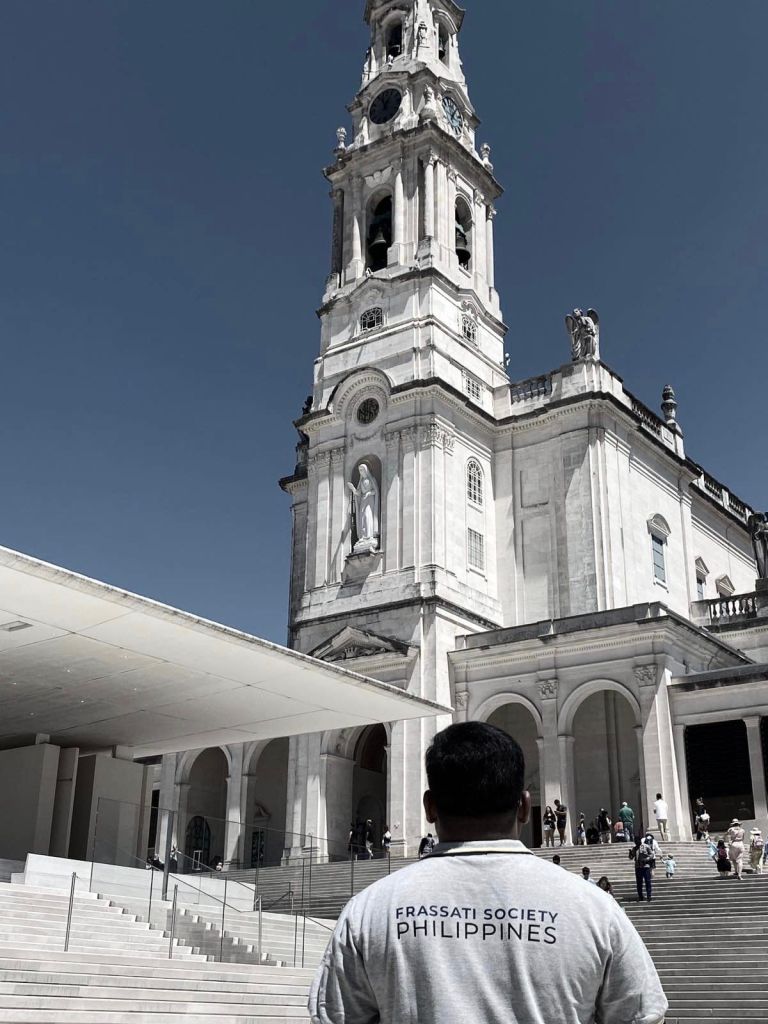

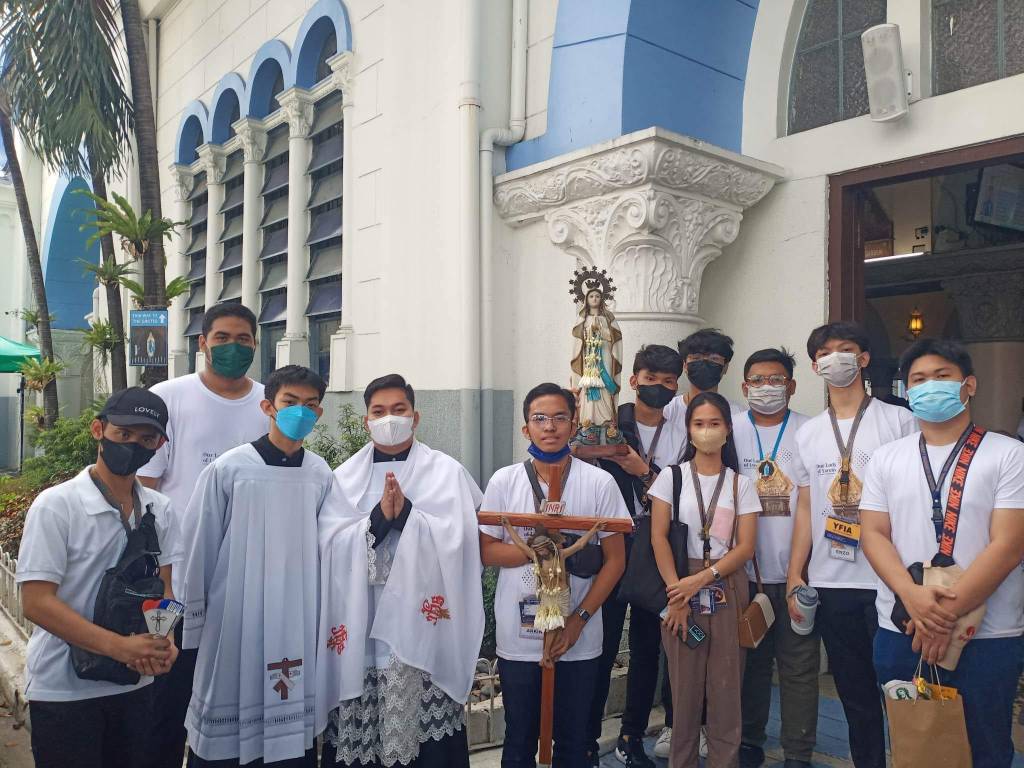
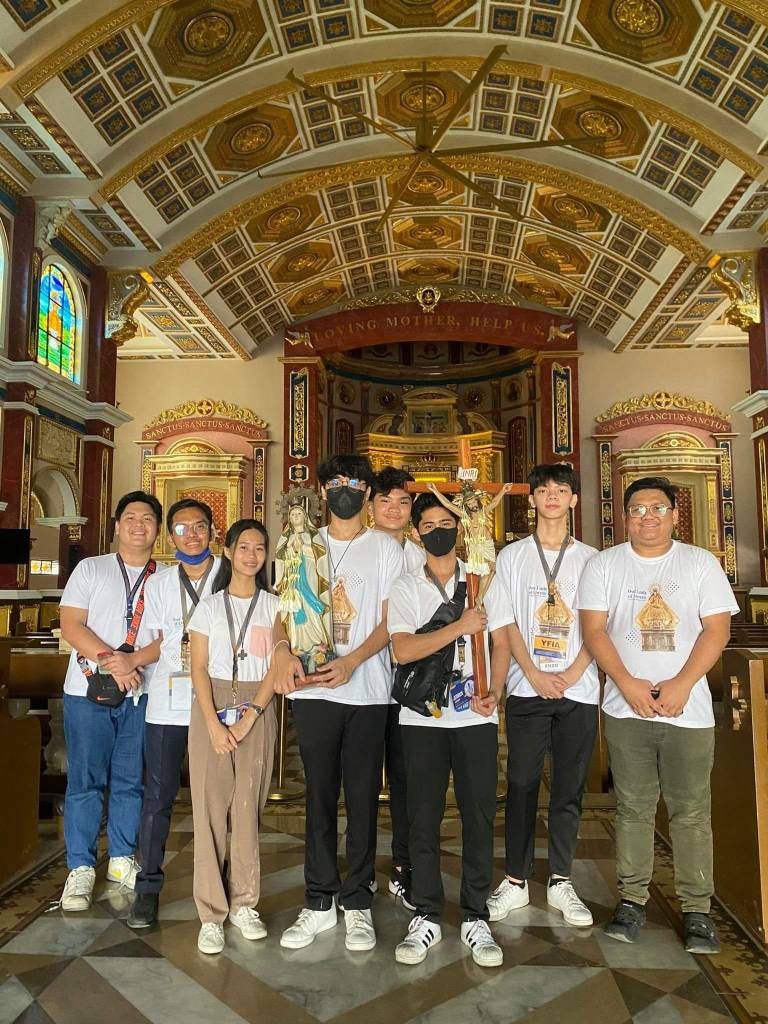
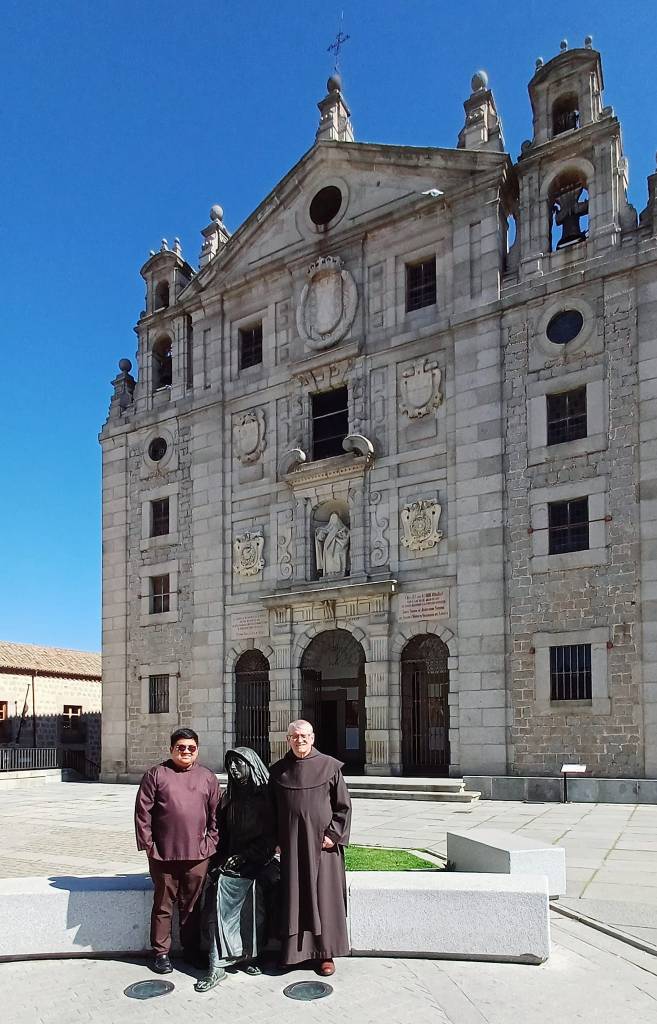

For the youth, pilgrimage offers a unique invitation. In a world that often moves too quickly, pilgrimage encourages us to slow down, reflect, and reconnect with our spiritual roots. The journey itself—whether walking, traveling by bus, or taking other means—is an act of sacrifice and dedication that reflects our desire to grow closer to God. Pilgrimage helps us to break away from the distractions of daily life, offering a moment of grace, where we can listen to God’s call more clearly.
As young people, we are called to be adventurous, both in life and in faith. Pilgrimage provides a perfect opportunity to blend these two desires. It is a spiritual adventure that allows us to encounter God in new places and with fresh perspectives. Whether we are climbing the steps to Antipolo Church in the Philippines or walking the medieval streets of Burgos in Spain, we are reminded that our faith is not static—it is a journey that continually invites us deeper.
Pilgrimages to churches, especially in places as culturally and spiritually rich as the Philippines and Spain, offer young Catholics a powerful way to experience the faith. Rooted in the liturgical norms of the Church, modeled on biblical truths, and aligned with the synodal commitment of walking together as one pilgrim Church, these journeys invite us to a deeper understanding of our Catholic identity.
As young people, we are called to embrace this opportunity, not just as tourists, but as pilgrims—seeking spiritual growth, community, and a closer relationship with God. By visiting these sacred sites, we take part in a timeless tradition that connects us with the saints, with the global Church, and with Christ Himself. Let us embark on this journey with faith, knowing that, like all pilgrimages, it will bring us closer to the heart of God and the mission of His Church.
