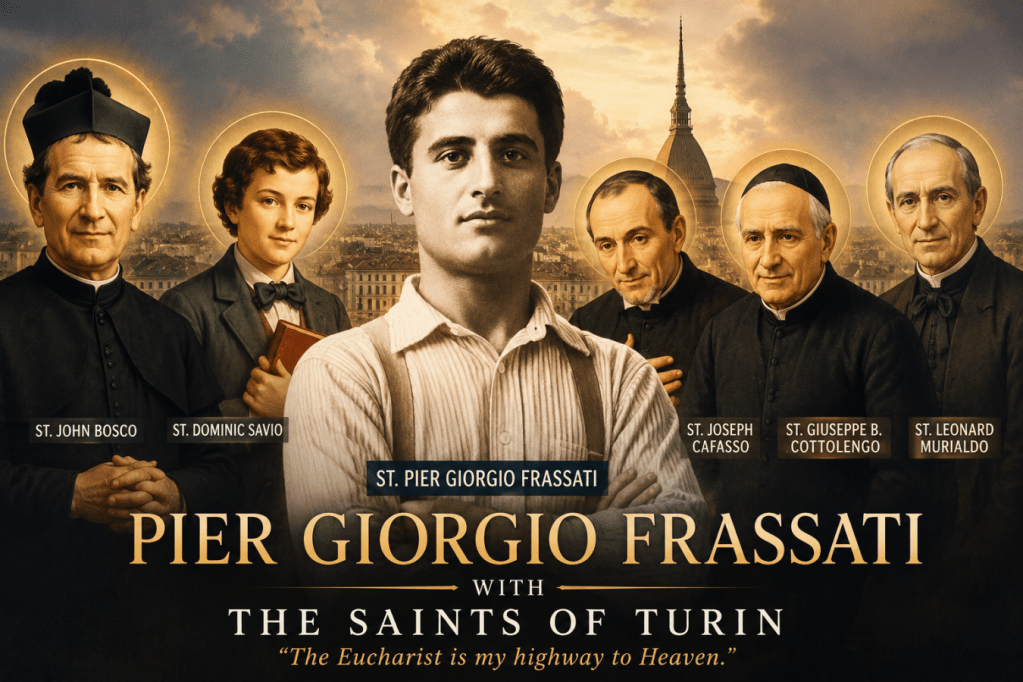
Long before St. Pier Giorgio Frassati became known as the “Man of the Eight Beatitudes,” the streets of Turin had already been transformed by remarkable witnesses of the Gospel. The city was home to priests and religious whose lives proclaimed one simple truth: to love Christ is to love the poor, and to love the poor is to draw near to Christ.
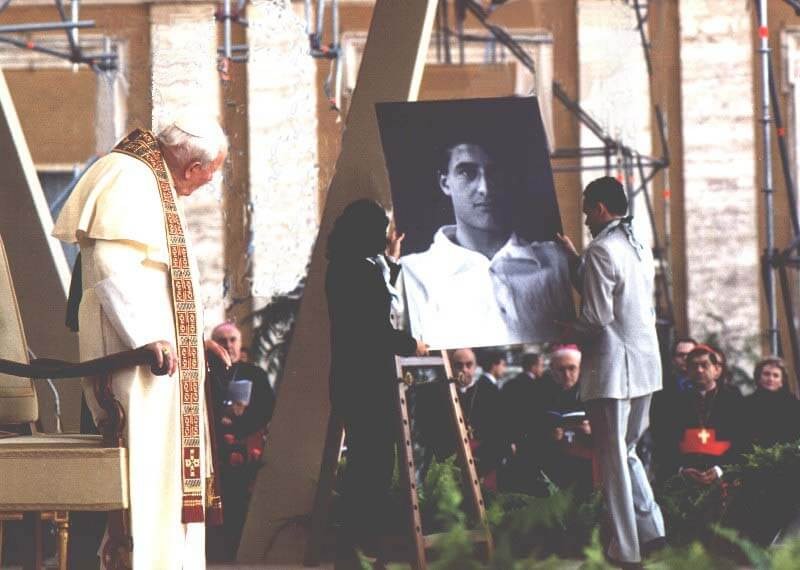
It is worth noting that during Pier Giorgio’s lifetime (1901–1925), most of these holy men had not yet been canonized. They were known not as “Saint John Bosco” or “Saint Joseph Cafasso,” but simply as beloved pastors and servants of God whose reputation for holiness was already deeply rooted in Turin. Their works, institutions, and spiritual legacy were alive and flourishing, leaving a profound impression on the city’s Catholics. Pier Giorgio was inspired not because the Church had formally declared them saints, but because their lives already radiated the holiness of Christ.
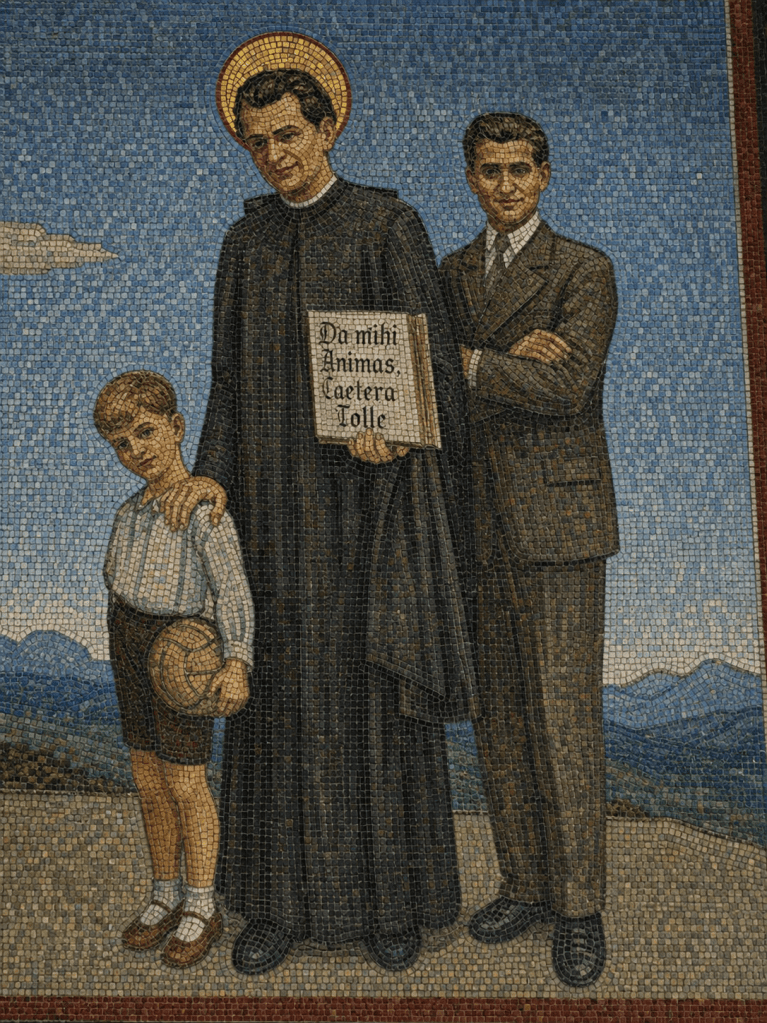
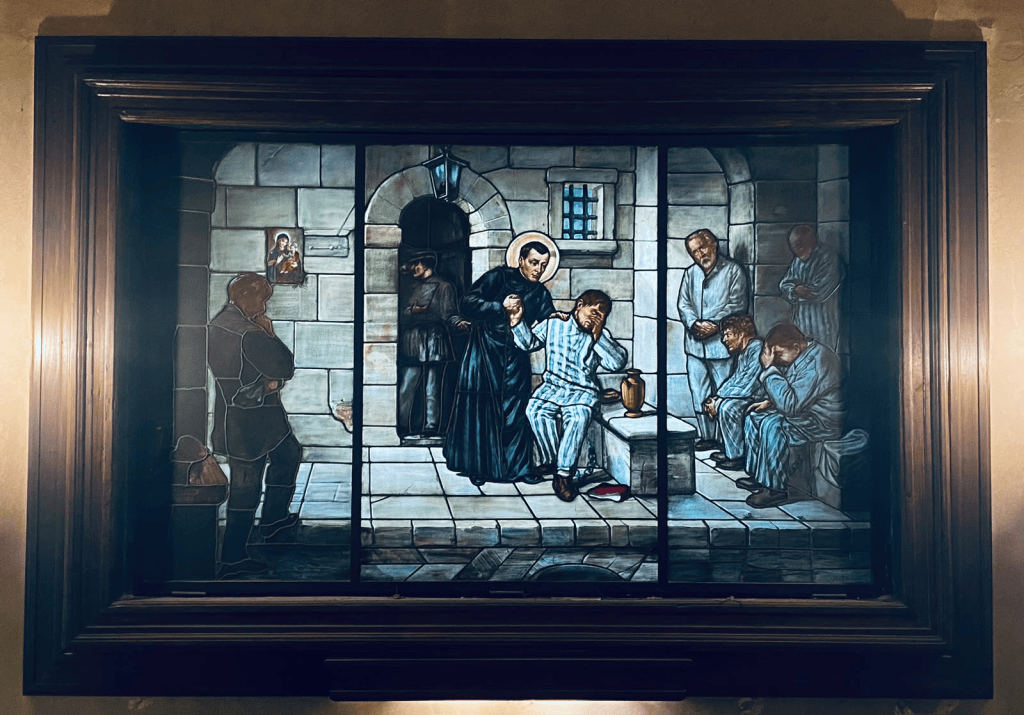
Among these figures was St. John Bosco, whose Salesian mission continued to shape generations of young people after his death in 1888. St. Giuseppe Benedetto Cottolengo’s Little House of Divine Providence remained a powerful sign of Christian charity, welcoming the sick, the disabled, and the abandoned. St. Joseph Cafasso, renowned for his ministry to prisoners and the poor, had formed countless priests through his example of mercy. St. Leonard Murialdo devoted his life to educating poor and orphaned boys, convinced that every young person deserved dignity, hope, and the opportunity to know Christ.
These men were more than historical figures to Pier Giorgio. Their charitable institutions were part of the Turin he knew, and their spirit continued to shape the city’s Catholic life. They showed him that sanctity was not an impossible ideal reserved for the past—it was something that could be lived in his own time.
Their influence is unmistakable in Pier Giorgio’s life. Though born into a wealthy and influential family, he quietly gave away his money, clothes, and even his train fare to those in need, often walking home so that someone else could eat. As a member of the Society of St. Vincent de Paul, he regularly visited poor families in the slums of Turin, bringing food, medicine, companionship, and hope.
Yet Pier Giorgio understood that such generosity could never be sustained by human effort alone.
His strength came from the Eucharist.
He attended Holy Mass frequently, received Holy Communion daily, and spent long hours before the Blessed Sacrament. He once wrote, “Jesus comes to me every morning in Holy Communion; I repay Him in my own small way by visiting the poor.” These words reveal the heart of his spirituality: every encounter with Christ in the Eucharist led naturally to an encounter with Christ in the poor.
This is the enduring lesson handed on by the holy men of Turin. Charity without prayer becomes mere philanthropy. Prayer without charity becomes empty devotion. In St. Pier Giorgio Frassati, the two became inseparable.
His life also reminds us of another profound truth: the Church recognizes saints only after careful discernment, but holiness itself is lived long before canonization. Pier Giorgio was inspired by men whom the faithful already regarded as holy because they reflected Christ in their daily lives. Their witness encouraged him to pursue the same path, and in time, he too became a light for future generations.
The saints of Turin first inspired a young man to seek Christ in the Eucharist and in the poor. Today, that same young man—now St. Pier Giorgio Frassati—invites us to walk the very path that transformed his life.


Leave a comment